No products in the cart.
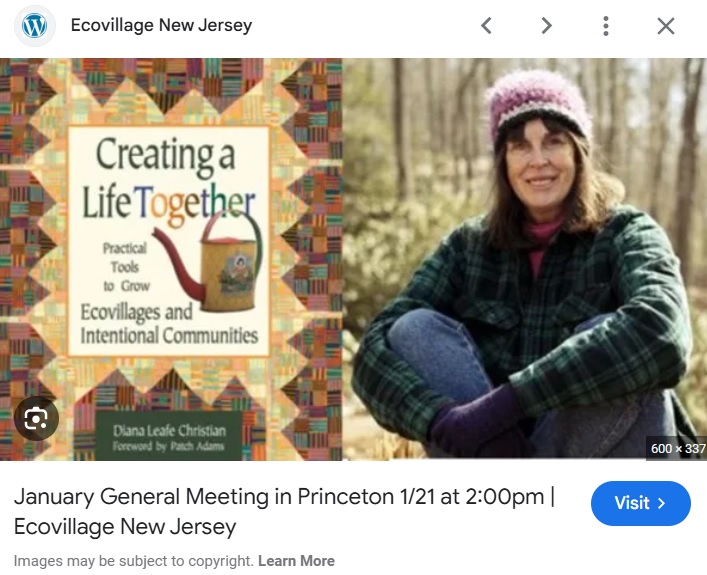
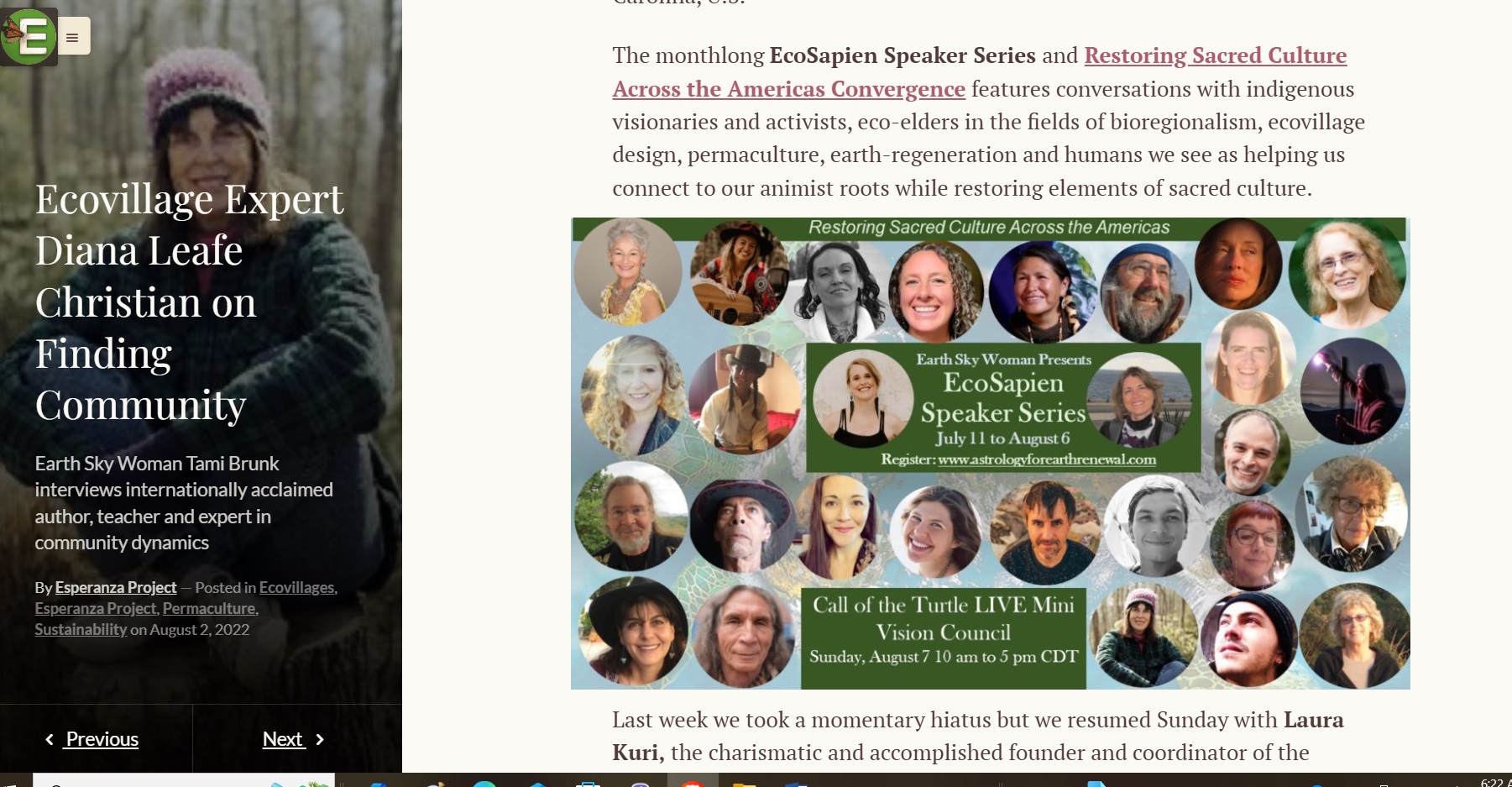
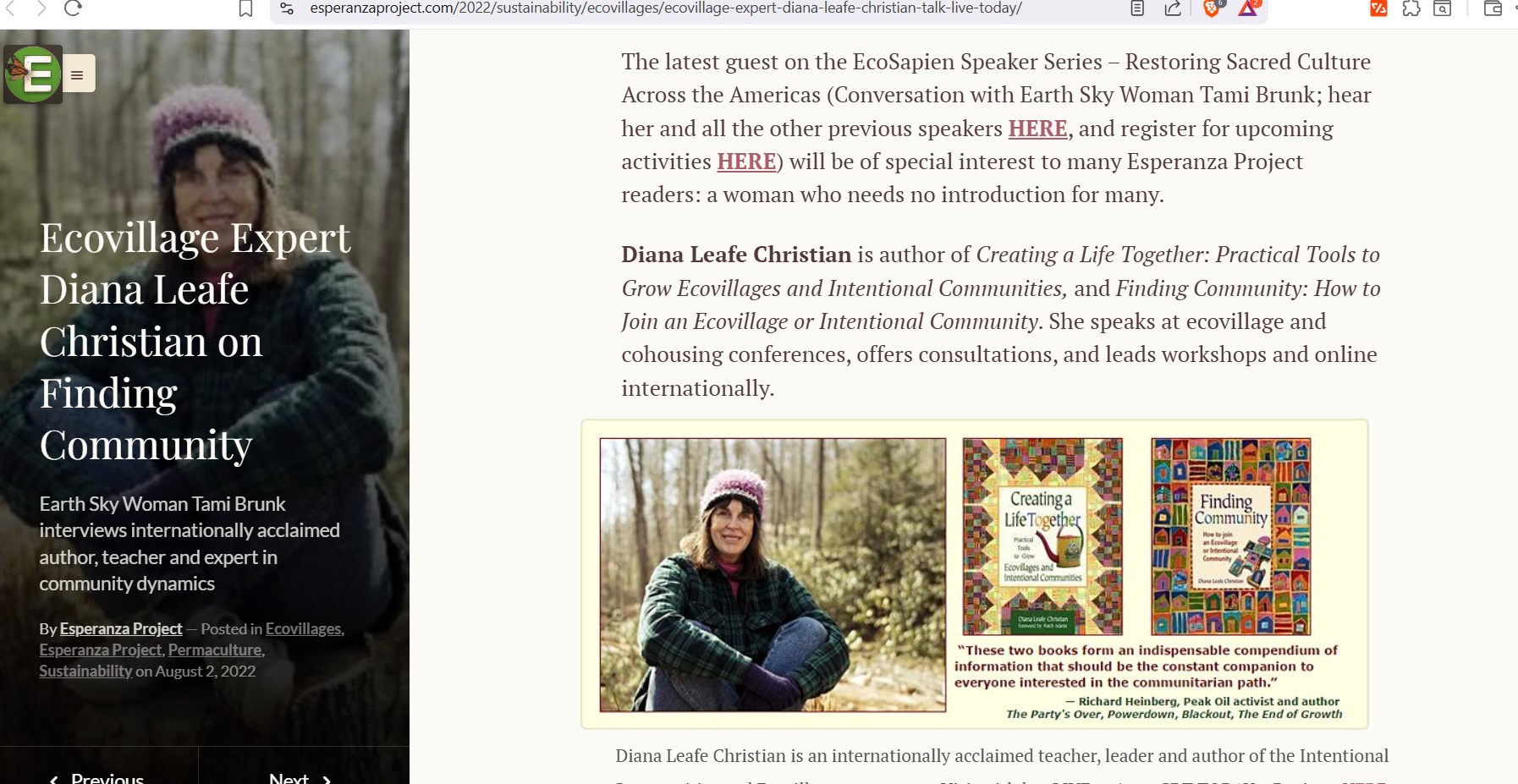
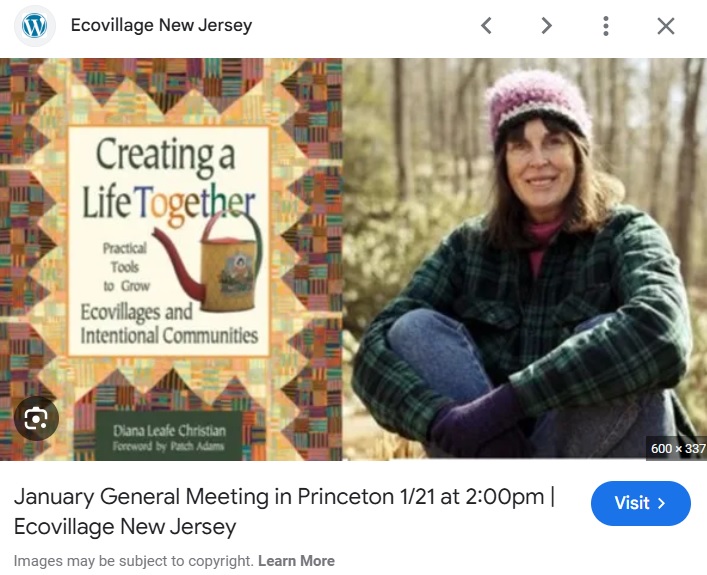
Ecovillage Expert Diana Leafe Christian Creating a Life Together: Practical Tools to Grow Ecovillages and Intentional Communities დიანა ლიფ კრისტიანი ერთობლივი ცხოვრება ანუ როგორ შევქმნათ ეკოდასახლება , თქვენი ოცნების ატონომიური კომუნა

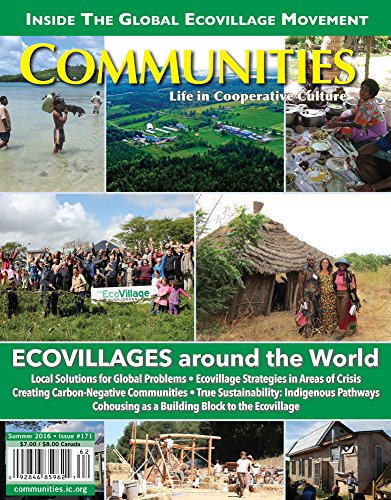
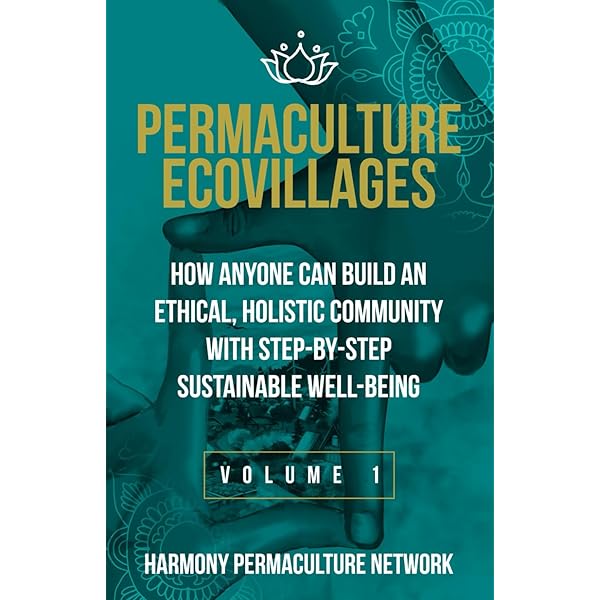


3600
Roll over image to zoom in
$35.00
Ecovillage Expert Diana Leafe Christian Creating a Life Together: Practical Tools to Grow Ecovillages and Intentional Communities
დიანა ლიფ კრისტიანი ერთობლივი ცხოვრება ანუ როგორ შევქმნათ ეკოდასახლება , ჩვენი ოცნების ატონომიური კომუნა
თარგმანი ინგლისურიდან ქართულად და რუსულად, ხელოვნური ინტელექტის დახმარებით, საჭიროა რედაქტირება
მთარგმნელი არ იზიარებს ავტომატურად ავტორის აზრებს, წიგნი თარგმნილია მხოლოდ ამ თემით დაინტერესებულები პირებისთვის, როგორც ერთ ერთი სახელმძღვანელო,
შემდეგ იქნება კიდევ სხვა წიგნები სხვა მოსაზრებებით
ფსიქოლოგიური მიდგომით
Soon audio book version will be published
Books That Combine Psychology + Community Building
1. Community Psychology: Linking Individuals and Communities
Bret Kloos et al.
This is one of the most comprehensive psychology‑based frameworks for understanding how communities form, function, and thrive. It covers:
How individual differences influence group dynamics
Ecological and psychotype‑informed approaches
Methods for designing healthy, resilient communities
Values like empowerment, diversity, and participation
Sources:
Why it fits your request
While not strictly about “psychotypes,” it deeply explores how psychological factors shape community behavior and cohesion.
2. Community Psychology (7th Edition)
John Moritsugu, Elizabeth Vera, Frank Y. Wong
A modern, research‑based overview of how psychological principles apply to community building.
Covers:
Social identity
Group belonging
Cultural and personality differences in communities
Applied methods for designing community programs
Sources:
3. Introduction to Community Psychology: Becoming an Agent of Change (Open Access)
A free, academically solid textbook that explains:
How communities form
How psychological traits influence participation
How to design community structures that fit different personality types
Sources:
📚 Books That Use Personality/Psychotypes for Group or Community Design
These are not in the search results but are highly relevant to your specific interest:
4. Surrounded by Idiots — Thomas Erikson
Uses four psychotypes (DISC model) to explain communication styles.
Great for designing communities where different personality types must collaborate.
5. The Art of Community — Charles Vogl
Not psychotype‑based, but deeply psychological.
Explores rituals, identity, belonging, and emotional architecture of communities.
6. Quiet: The Power of Introverts in a World That Can’t Stop Talking — Susan Cain
Essential if you want to design communities that work for both introverts and extroverts.
7. The Culture Code — Daniel Coyle
Explains the psychological foundations of trust, safety, and cohesion in groups.
🧠 If you want a book specifically about psychotypes + community design
There is no single mainstream book that combines these two topics explicitly.
However, you can combine:
Community Psychology (for structure)
Books on Psychotypes + Community + Relationship Building
These books focus on psychotypes (personality types) and how to build relationships or communities around them.
1. 8 Colored Psychotypes: Behavioral Psychology in Color — Michael Borodiansky
A modern psychotype system focused on behavior, communication, and relationship building.
Explains 8 psychotypes
Shows how to use them to build relationships and understand others
Source:
2. Surrounded by Idiots — Thomas Erikson
Uses the DISC psychotype model (Red/Blue/Green/Yellow) to explain communication and compatibility.
Great for understanding how different types interact
Often used in team-building and community design
3. Please Understand Me I & II — David Keirsey
A classic on temperament theory (related to MBTI).
Helps you understand how different personality types form groups
Useful for designing communities based on temperament
4. The Art of Community — Charles Vogl
Not psychotype-based, but deeply psychological.
Explains how to create belonging, rituals, and identity
Can be combined with psychotype systems
5. The Culture Code — Daniel Coyle
Explains the psychology of trust and cohesion in groups.
Helps you understand how different personalities fit into group culture
🔮 Books Combining Astrology (Zodiac Signs) + Relationships / Community
There are no mainstream books that combine psychotypes + astrology + community building in one volume — but there are books that use zodiac signs to explain compatibility and group dynamics.
6. The Astrology of You and Me — Gary Goldschneider
A guide to interacting with each zodiac sign.
How to work with each sign
How to build relationships with them
Useful for community-building through an astrological lens
7. Sextrology — Starsky + Cox
A deep dive into personality and behavior by zodiac sign.
Very detailed
Useful for understanding archetypes in groups
8. The Only Astrology Book You’ll Ever Need — Joanna Martine Woolfolk
A foundational astrology book.
Covers compatibility
Helps you understand how signs interact socially
9. Building a Supportive Community by Zodiac Signs (article)
Not a book, but relevant to your topic.
Explains how zodiac signs influence community roles
Source:
🧠 Books on Finding Like‑Minded People by Personality Type
10. Quiet: The Power of Introverts — Susan Cain
Helps you understand introverts vs. extroverts in communities.
11. The Social Animal — David Brooks
Explores psychological archetypes and how people form groups.
12. The Road Back to You — Ian Morgan Cron
Uses the Enneagram to explain personality and compatibility.
📘 Books on Community Psychology (Scientific Approach)
These books explain how communities form psychologically — not by zodiac, but by personality, identity, and social dynamics.
13. Community Psychology: Linking Individuals and Communities — Kloos et al.
A foundational academic text.
Source:
14. Community Psychology (Moritsugu et al.)
Explains how psychological differences shape communities.
⭐ If you want a combined approach (psychotypes + zodiac + community)
There is no single book that merges all three fields, but you can combine:
A psychotype system (DISC, MBTI, Enneagram, Borodiansky’s 8 psychotypes)
A community-building framework (Vogl, Coyle)
A zodiac compatibility guide (Goldschneider, Woolfolk)
I can help you design a custom framework if you want.
Zodiac‑Based Community Building (What Exists Today)
Search results show that astrology is already used for community building, team dynamics, and group roles:
🔹 1. “Building a Supportive Community by Zodiac Signs”
Explains how each zodiac sign contributes to a community and how to build groups using astrological strengths.
Source: Trusted Teller
🔹 2. “Community Service Contributions of Three Zodiac Signs”
Shows how Libra, Sagittarius, and Aquarius naturally take on community‑oriented roles.
Source: SSP Daily
🔹 3. “Astrology Team Building: Using Astrology as a Tool to Understand Team and Group Dynamics”
A full framework for using astrology in teams, groups, and organizations.
Source: Crystal B. Astrology
🔹 4. “Finding Community in Astrology”
Explores how astrology helps people form identity‑based communities.
Source: Point Foundation
📘 Books (Closest Matches)
There are no academic books specifically titled “zodiac‑based community building,” but these books are widely used for group compatibility:
🔷 What Psychosophia / Attitudinal Psyche Actually Measures
AP describes attitudes toward four domains:
Function Meaning
Logic (L) How you relate to information, truth, structure, reasoning
Physics (P) How you relate to comfort, resources, physicality, lifestyle
Emotion (E) How you relate to feelings, expression, emotional states
Will (W) How you relate to autonomy, control, direction, personal power
Each function has a position (1st, 2nd, 3rd, 4th), giving 24 types.
AP is not about skills — it’s about attitudes, which makes it extremely useful for compatibility and community building.
🌐 How People Use AP to Find Like‑Minded People
AP is used in online communities to identify:
1. Shared attitudes
People with similar function positions often:
value the same things
communicate similarly
have similar expectations in relationships
avoid the same conflicts
For example:
1L types bond over truth-seeking and intellectual autonomy
1E types bond over emotional authenticity
1W types bond over independence and self-direction
1P types bond over comfort, lifestyle, and physical ease
2. Complementary attitudes
Some people prefer partners or friends who balance them:
4L types often like 1L types (clarity + guidance)
4E types often like 1E types (emotional leadership)
4W types often like 1W types (direction + decisiveness)
3. Group role distribution
AP is used to assign roles in communities:
1W → leaders, initiators
2W → negotiators, mediators
3W → supporters, helpers
4W → observers, non‑directive members
Same for Logic, Emotion, Physics.
This makes AP one of the most community‑oriented typologies.
🧭 How to Use AP to Find Your “Tribe”
Here’s a practical method people use:
Step 1 — Identify your dominant function (your “1st”)
This is the core of your worldview.
Step 2 — Look for people who share your 1st or 2nd function
These people will:
“get” you intuitively
share your priorities
communicate in your style
Step 3 — Avoid people whose 1st function is your 4th
This is where most interpersonal friction happens.
Step 4 — Join communities organized by function
For example:
1L groups → philosophy, analysis, systems
1E groups → art, emotional expression
1W groups → entrepreneurship, leadership
1P groups → lifestyle, wellness, comfort
💬 Examples of Like‑Minded Pairings
1L + 1L
Deep thinkers, enjoy debate, value truth.
1E + 2E
Emotionally expressive + emotionally supportive.
1W + 4W
Leader + follower dynamic (if healthy).
1P + 1P
Comfort, lifestyle, sensory enjoyment.
📚 Are there books on Psychosophia / Attitudinal Psyche?
Not yet.
AP is a modern, community‑driven typology, and its materials are:
online guides
PDFs
video lectures
Discord communities
practitioner notes
If you want, I can give you:
the best AP resources
the most active communities
a breakdown of all 24 types
compatibility charts
how AP compares to MBTI, Socionics, Enneagram
1. The Core Idea: Socionics = Information Flow + Group Roles
Socionics isn’t just about personality — it’s about how information moves between people.
This makes it ideal for:
community building
team design
conflict prevention
role assignment
compatibility clustering
Socionics communities often form around:
quadras
intertype relations
valued functions
temperaments
club roles
Each of these can be used to design a community structure.
🧩 2. Quadra‑Based Community Design (The Most Powerful Method)
Quadras are natural “tribes” in Socionics.
Quadra Values Community Vibe
Alpha (ILE, SEI, LII, ESE) Ne, Ti, Si, Fe Playful, creative, democratic, idea‑driven
Beta (SLE, IEI, LSI, EIE) Ni, Fe, Se, Ti Dramatic, hierarchical, mission‑driven
Gamma (SEE, ILI, LIE, ESI) Se, Fi, Te, Ni Entrepreneurial, realistic, results‑oriented
Delta (EII, SLI, LSE, IEE) Fi, Ne, Si, Te Cooperative, ethical, stable, growth‑oriented
How to use quadras for community design:
Build communities around shared values
Use quadra‑specific communication norms
Avoid mixing quadras when the goal is harmony
Mix quadras intentionally when the goal is innovation or tension
Quadras are the closest thing Socionics has to “natural tribes.”
🧭 3. Intertype Relations for Community Harmony
Socionics defines 16 relationship types (duality, activity, supervision, conflict, etc.).
For community design:
Duality → best for deep partnerships
Activity → best for casual collaboration
Mirror → best for shared learning
Identity → best for comfort and bonding
Conflict → avoid pairing in leadership or decision‑making
Supervision → avoid unless roles are clearly defined
A well‑designed community uses:
duals for emotional stability
activity partners for energy
mirrors for intellectual growth
benefactors for mentorship
avoid conflict pairs in key roles
🧱 4. Club Roles (Social Roles in a Community)
Socionics divides types into 4 “clubs” based on their strengths:
Club Types Role in Community
Researchers ILE, LII, ILI, LIE Innovators, analysts, strategists
Socials ESE, SEI, EIE, IEI Community glue, morale, emotional tone
Pragmatists LSE, SLI, LSI, SLE Organizers, implementers, enforcers
Humanitarians EII, IEE, ESI, SEE Mediators, ethical guides, connectors
A balanced community uses all four clubs.
🔧 5. Functional Roles (Based on Model A)
Each type has:
leading function → natural strength
creative function → flexible skill
role function → social mask
vulnerable function → avoid assigning tasks here
Example:
Don’t put an LII in a high‑emotion Fe role
Don’t put an SEE in a Ti‑heavy analytical role
Don’t put an ILI in a high‑Si comfort‑management role
This prevents burnout and conflict.
🧠 6. Temperaments (Energy Patterns in Groups)
Temperament Types Community Behavior
EP ILE, SEE, IEE, SLE Energetic, chaotic, initiators
EJ ESE, EIE, LSE, LSI Organizers, leaders, mobilizers
IP SEI, IEI, SLI, ILI Stabilizers, observers, harmonizers
IJ LII, EII, LIE, IEE System builders, planners, maintainers
A healthy community blends:
EP for ideas
EJ for execution
IP for stability
IJ for structure
🧩 7. How to Build a Socionics‑Based Community (Step‑by‑Step)
Step 1 — Define the community’s purpose
Different quadras excel at different missions.
Step 2 — Choose the dominant quadra
This sets the culture.
Step 3 — Add complementary quadras
For innovation or balance.
Step 4 — Assign roles by club + function
Use strengths, avoid vulnerable functions.
Step 5 — Map intertype relations
Avoid conflict and supervision in leadership.
Step 6 — Create communication norms
Each quadra has its own style.
Step 7 — Build rituals and structure
Socionics communities thrive on predictable patterns.
1. Books on Astrology for Compatibility & Community‑Building
These books help you understand how zodiac signs interact, how to build relationships, and how to form groups based on astrological traits.
The Astrology of You and Me — Gary Goldschneider
A practical guide to interacting with each zodiac sign in work, friendship, and community settings. (Not in search results, but highly relevant.)
Building a Supportive Community by Zodiac Signs (Article)
Explains how each zodiac sign contributes to a community and how to build groups using astrological strengths. Source: Trusted Teller
Best Astrology Book to Read Based on Your Zodiac Sign
A curated list of astrology books tailored to each sign. Source: People Magazine
Enneagram and Astrology: 2 Books in 1 — Peter Hastings
Combines personality types (Enneagram) with zodiac signs for relationship building. Source: Amazon listing
This is the closest published material that blends personality + zodiac.
📘 2. Books on Psychological Typology for Finding Like‑Minded People
These books help you understand personality types and how to build relationships or communities around them.
I’m Not Crazy, I’m Just Not You — Roger R. Pearman
A practical guide to using psychological type (MBTI) to understand others. Source: Shepherd list of best psychological type books
The best books on personality and psychological type (curated list)
Includes foundational works on MBTI, temperament, and type‑based relationships. Source: Shepherd
Community Building Books (general)
Not type‑based, but useful for designing communities. Source: BookAuthority list
🔮 3. Books That Combine Astrology + Personality (Closest to Your Request)
There is no book that combines:
- zodiac signs
- MBTI / Socionics / AP
- community building
But these come closest:
Enneagram and Astrology — Peter Hastings
Combines two systems for relationship compatibility. Source: Amazon
Sextrology — Starsky & Cox
Deep archetypes for each zodiac sign — useful for group roles.
The Astrology of Personality — Dane Rudhyar
A psychological approach to astrology (classic).
🧠 4. What You Want Does Not Exist Yet — But You Can Combine These Sources
To create a system for:
- finding like‑minded people
- by zodiac sign
- and psychological type
- for community building
You would combine:
Astrology (zodiac compatibility)
- Goldschneider
- Woolfolk
- Rudhyar
- Trusted Teller article
Psychological Typology
- MBTI books (Pearman)
- Socionics / AP materials
- Community psychology books
Community‑building frameworks
- Vogl’s The Art of Community
- Coyle’s The Culture Code
📚 5. Full List: Books Closest to Your Exact Topic
| Topic | Closest Books |
|---|---|
| Zodiac‑based community building | The Astrology of You and Me; Trusted Teller article |
| Finding like‑minded people by zodiac | Sextrology; The Only Astrology Book You’ll Ever Need |
| Finding like‑minded people by psychological type | I’m Not Crazy, I’m Just Not You |
| Combining astrology + personality | Enneagram and Astrology |
| Community building (general) | BookAuthority list |
Ecovillage Expert Diana Leafe Christian Creating a Life Together: Practical Tools to Grow Ecovillages and Intentional Communities
დიანა ლიფ კრისტიანი ერთობლივი ცხოვრება ანუ როგორ შევქმნათ ეკოდასახლება , თქვენი ოცნების ატონომიური კომუნა
ეს არის სწრაფი თარგმანი ინგლისურიდან ქართულად და რუსულად ხელოვნური ინტელექტის დახმარებით , საჭიროა რედაქტირება
მთარგმნელი არ იზიარებს ავტომატურად ავტორის აზრებს, წიგნი თარგმნილია მხოლოდ ამ თემით დაინტერესებულები პირებისთვის, როგორც ერთ ერთი სახელმძღვანელო,
შემდეგ იქნება კიდევ სხვა წიგნები სხვა მოსაზრებებით
ფსიქოლოგიური მიდგომით
Soon audio book version will be published